


Durable Acrylic Powder Brand Reviews: What Actually Lasts
Last Updated: November 18, 2026
Quick Summary
Durable acrylic powder is a finely milled polymer that forms a cross-linked structure when mixed with monomer, resisting chipping, lifting and impact. Durability comes down to formulation and application, not marketing, so check particle consistency, self-leveling and curing time in a test set before trusting a brand review.
- A properly mixed bead should look satiny, not runny, and hold its shape on the brush.
- Professional powders differ from budget formulas in particle size consistency, self-leveling and predictable curing time.
- A common working ratio is roughly 1.5 parts powder to 1 part monomer by volume.
- Score flexibility, impact resistance, yellowing and adhesion on a 1-5 scale over 14 days.
- Blazingstar 2 oz powders are listed at $9.00 per jar in several shades.
Table of Contents
- What Makes Acrylic Powder Durable: Polymer Chemistry and Stress Points
- Professional Acrylic Powder Brands and What Separates Them
- Quick Comparison: Durable Acrylic Powders at a Glance
- Mia Secret Acrylic Powder Review: Where It Fits in a Durability Lineup
- Acrylic Powder for Beginners: Choosing a Forgiving Formula
- Acrylic Powder Application and Durability: Step-by-Step for Long-Lasting Results
- Testing Durability and Avoiding Lifting: Stress Tests, Allergies and Environment
- Stocking Your Salon with Durable Acrylic Powder from Nail Maxx
- Frequently Asked Questions
What Makes Acrylic Powder Durable: Polymer Chemistry and Stress Points
Durable acrylic powder is a finely milled polymer that, when mixed with monomer, forms a cross-linked structure strong enough to resist chipping, lifting, and impact. Which formulas hold up on working hands and which ones fail within a week comes down to the product's formulation and how it is applied. The difference almost always comes down to chemistry, not marketing.
Polymer-to-Monomer Ratio and Cross-Linking
Every acrylic system is a balance between polymer powder and liquid monomer. Get the ratio right and the cured enhancement flexes with the natural nail instead of fighting it. Get it wrong and you get brittleness or lifting. A properly mixed bead should look satiny, not runny. If you want to go deeper on how powder quality affects that balance, our guide on how to identify high-quality acrylic powders explains what to look for.
The Apex, C-Curve and Stress Point
The apex is the thickest part of the enhancement, and it carries the load. The C-curve gives the nail its strength across the width. The stress point, where the free edge meets the nail bed, is where most breaks begin.
Professional Acrylic Powder Brands and What Separates Them
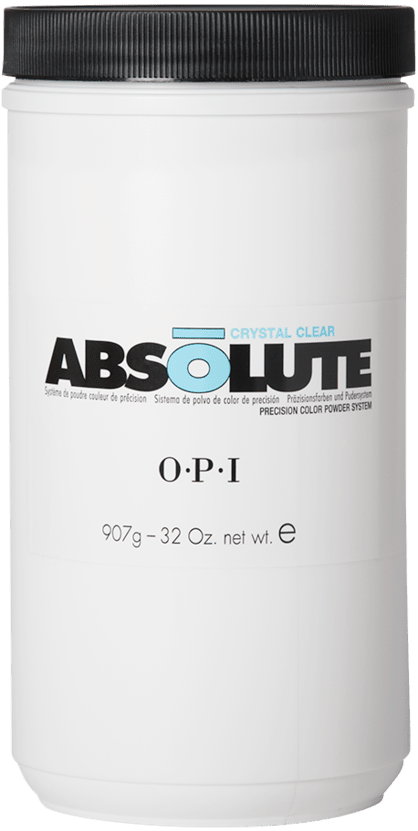
Professional acrylic powder brands differ from budget formulas in three ways: consistent particle size, reliable self-leveling, and predictable curing time. Consistency matters because uneven powder creates weak spots. Self-leveling matters because it reduces filing and keeps the apex intact. When you compare brands, look for these traits in your first test set rather than trusting the label. If you want a trusted option on hand, you can browse OPI acrylic powder in Absolute Crystal Clear as a benchmark for professional-grade behavior.
Quick Comparison: Durable Acrylic Powders at a Glance
Here are the Blazingstar acrylic and dipping powders we carry, with their sizes and prices.
| Product | Size | Price | Best For |
|---|---|---|---|
| Blazingstar Ombre Powder - Naked Pink #01 | 2 oz | $9.00 | Natural everyday sets |
| Blazingstar Ombre Powder - Warm Pink #02 | 2 oz | $9.00 | Warm skin tones |
| Blazingstar Ombre Powder - Perfect Pink #04 | 2 oz | $9.00 | Classic salon pink |
| Blazingstar Ombre Powder - Bubble Bath #05 | 2 oz | $9.00 | Sheer, soft looks |
| Blazingstar Ombre Powder - Barely Pink #07 | 2 oz | $9.00 | Subtle French and ombre work |
Mia Secret Acrylic Powder Review: Where It Fits in a Durability Lineup
A Mia Secret acrylic powder review usually centers on value, and that is fair: it is a popular pick for beginners and cost-conscious techs. Where it fits in a durability lineup is the middle of the pack. If you want to compare it against another respected name, you can browse Tammy Taylor acrylic powder in Natural to see how a premium line handles structure and wear.
Acrylic Powder for Beginners: Choosing a Forgiving Formula
The Blazingstar 2 oz powders are listed at $9.00 per jar, available in several shades. Watch out: skipping nail plate preparation is the fastest way to see lifting, no matter how good the powder is.
Acrylic Powder Application and Durability: Step-by-Step for Long-Lasting Results
Acrylic powder application and durability are inseparable. A durable formula applied badly will still lift, so treat the sequence below as a system rather than a checklist, each step protects the next, and skipping one shows up as a failure two weeks later.
Testing Durability and Avoiding Lifting: Stress Tests, Allergies and Environment
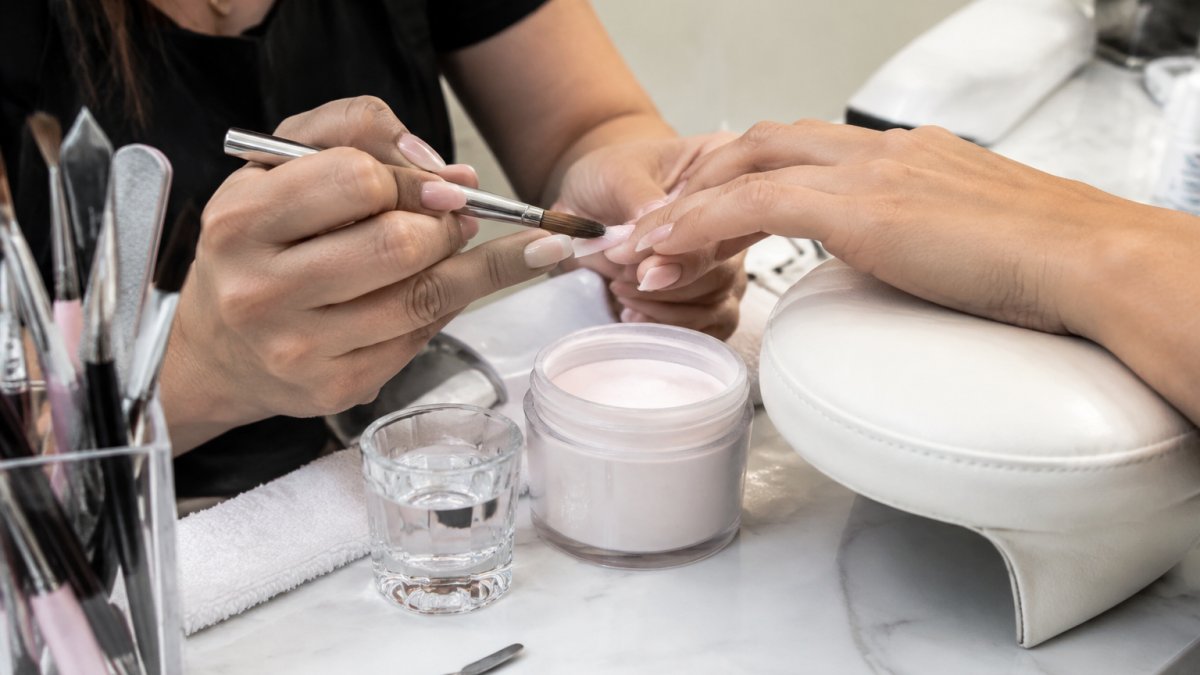
Below is a repeatable way to score a new powder before you commit to a full-size jar.
A Standardized Durability Score
Run the same four checks on every powder you trial, on the same client or a nail trainer, and record the results:
- Flexibility: press the free edge gently. A durable powder flexes slightly and returns; a brittle one creaks or shows a stress mark.
- Impact resistance: tap the free edge against a hard surface at a consistent angle. Note whether the first chip appears at the stress point or the sidewall.
- Yellowing: photograph the set under the same light on day 1 and day 14. Compare side by side rather than from memory.
- Adhesion over time: inspect the sidewalls at day 7 and day 14 for early separation.
Score each check on a simple 1-5 scale and total it. A powder that scores well across all four is a better durability bet than one that excels at impact but yellows by week two.
EMA vs. MMA: The Chemistry Behind Durability and Safety
The monomer in your system matters as much as the powder. Ethyl methacrylate (EMA) is the standard professional monomer: it cures with controlled flexibility and is the base most reputable brands build around. Methyl methacrylate (MMA) cures harder and cheaper, but it is widely restricted in professional settings because of its adhesion strength and removal difficulty, many state cosmetology boards prohibit its use in salons.
Allergy and Sensitivity Testing
Acrylic allergies are contact reactions, not something you can diagnose at the table. Before a full application on a new client, apply a small amount of cured product to one nail and ask them to report itching, redness, or swelling over the next 48 hours. If a client reports symptoms, stop, remove the product, and refer them to a medical professional.
How Environment Affects Durability
Temperature and humidity change how monomer evaporates and how the bead sets. Cold, dry air slows curing and can leave a bead that looks set but is still soft underneath; humid air speeds monomer evaporation and makes beads stringy. Clients in manual labor, frequent hand-washing, or cleaning work put more stress on the stress point and sidewalls, so build a slightly thicker apex for them and recommend gloves for chemical exposure.
If a client reports itching or redness, stop and refer them to a medical professional rather than diagnosing it yourself.
Stocking Your Salon with Durable Acrylic Powder from Nail Maxx
Salon owners need powder that performs the same jar after jar, because client retention depends on consistency. When you are ready to stock up, you can purchase Nail Maxx crystal clear acrylic powder directly and keep your shelves ready for high-volume weeks.
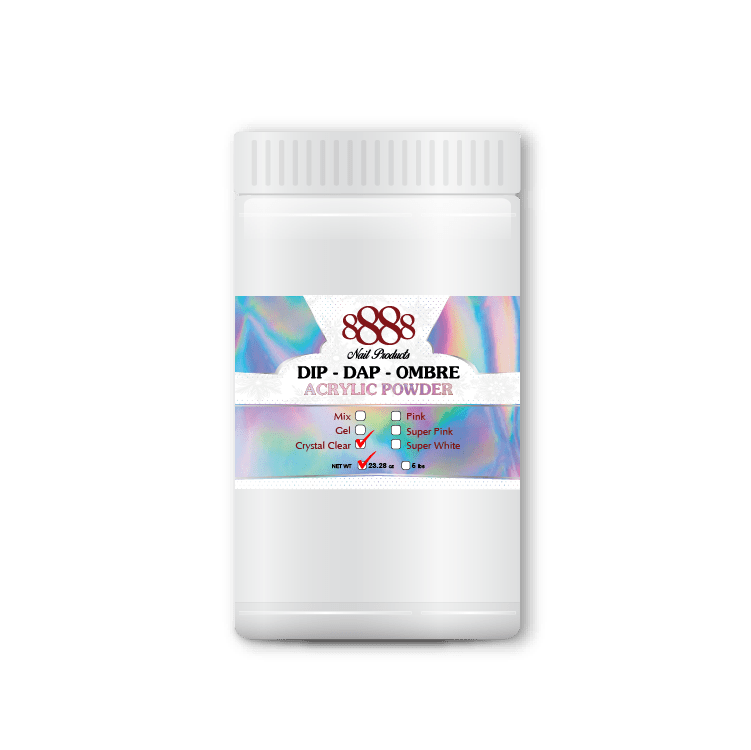
Choosing a durable acrylic powder comes down to reading the chemistry, testing on real hands, and buying from a supplier you trust. Nail Maxx offers professional-grade brands at wholesale-friendly prices, HEMA/TPO-free options, and a catalog built for both salons and solo techs.
Frequently Asked Questions
What acrylic powder do professionals use for the longest wear?
Professionals tend to choose powders with a fine, consistent particle size and a predictable monomer-to-polymer ratio, because those factors control bead formation and cross-linking. EMA-based formulas are common in salon settings for their flexibility and impact resistance. Application technique matters as much as the powder: proper nail plate preparation, a dehydrator, and an acid-free primer, plus a correctly built apex and stress point, determine whether a set lasts two weeks or four. Many techs keep a self-leveling powder for overlays and a slower-setting powder for sculpting extensions.
What is the difference between professional acrylic powder brands and beginner formulas?
Professional acrylic powder brands usually publish their monomer compatibility, control working time tightly, and offer consistent viscosity batch to batch. Beginner-friendly powders often have a slower set time and more forgiving self-leveling behavior, which gives you room to correct bead placement before polymerization. The trade-off is that very slow powders can Pool in the sidewalls if you are not careful. Start with a mid-speed powder, practice bead formation on tips, and move to a faster professional formula once your application is consistent.
How do you prevent acrylic nails from lifting or chipping?
Lifting usually starts at the nail plate preparation stage. Buff the natural nail with a fine grit, remove cuticle from the sidewalls, and use a dehydrator followed by an acid-free primer. Keep the acrylic off the skin and eponychium, because cured product touching soft tissue creates a ledge that lifts. Control moisture by capping the free edge and drying the nail thoroughly before application. Environmental humidity above 60 percent can slow curing time and cause yellowing, so adjust your monomer ratio and room conditions accordingly.
Is Mia Secret acrylic powder a good choice for durable results?
Durability depends on matching the powder to the service: use a finer powder for overlays and a sculpting formula for extensions. Pair it with a compatible monomer and follow proper nail plate preparation. If your clients report lifting, check your bead ratio and apex placement before changing brands, since technique is the most common cause.
Which acrylic powders are easiest for beginners to use?
Look for a powder described as self-leveling with a medium set time, because it gives you a few extra seconds to shape the bead before it cures. Avoid fast-setting sculpting powders at first, since they leave little room for correction. Start with small 2 oz jars so you can test several shades and formulas without a large commitment. Practice bead formation and filing on practice tips, and keep a dehydrator and acid-free primer on hand. Once your application is consistent, a professional-grade powder becomes easier to control.
