


HEMA-Free Gel Polish: The Complete Buyer's Guide
Quick Summary
A hema-free gel polish is a gel formula made without 2-hydroxyethyl methacrylate, a common acrylate monomer linked to allergic skin reactions. To buy one safely, check the full ingredient list for HEMA, related acrylates like HPMA, and TPO, rather than relying on the front-of-bottle claim alone.
- The HEMA-free label confirms only that one ingredient is absent, not that the product is safe for everyone.
- Search the full ingredient list for HEMA, HPMA, di-HEMA trimethylhexyl dicarbamate, and TPO before buying.
- Terms like hypoallergenic and allergy-safe lack a reliable definition, so weigh them with caution.
- Request the complete ingredient declaration from the manufacturer if the listing is incomplete.
- Stop using the product and seek medical advice if redness, itching, or swelling appears after application.
Table of Contents
- What HEMA-Free Gel Polish Means and Why It Matters
- What HEMA Is and Why Gel Formulas Use It
- HEMA-Free Versus Hypoallergenic and Allergy-Safe: What the Labels Actually Promise
- How to Check Gel Polish Ingredients for HEMA
- HEMA-Free Gel Polish Brands and Product Lines Worth Considering
- Comparison: HEMA-Free Versus Regular Gel Polish and Key Specs
- HEMA-Free Gel Polish Application Tips for Better Adhesion and Curing
- What to Do After a Suspected Gel Allergy and How to Prevent Reactions
- Choosing Your HEMA-Free Gel Polish Setup Before Your Next Order
- Frequently Asked Questions
Last Updated: November 5, 2026
Choosing gel polish has become more complicated than picking a shade. Many professionals now ask a specific question before they buy: is this formula HEMA-free? That label matters to nail technicians, salon owners and at-home users who have reacted badly to gel products before, or who want to avoid a known sensitizer altogether. Nail Maxx, which has supplied professional nail products since 2011, put this guide together to explain what HEMA-free actually means, what it does and does not promise, and how to check a label before you place an order.
A HEMA-free gel polish is a gel formula that does not contain 2-hydroxyethyl methacrylate, the acrylate monomer commonly used as a bonding and adhesion ingredient in many gel systems. The label tells you one thing about one ingredient. It does not tell you the product is safe for everyone, and it does not guarantee the absence of other allergens or related acrylates. Read it as a starting filter, not a finish line.
What HEMA-Free Gel Polish Means and Why It Matters
HEMA-free gel polish is a formula designed without HEMA, which is among the most frequently discussed ingredients in gel allergy conversations. For technicians who work with clients every day, the concern is practical: repeated exposure to sensitizing acrylates is associated with allergic contact dermatitis, and once a person becomes sensitized, the reaction can recur with later exposure.
Why does this matter for buying decisions? Because a salon that switches to HEMA-free products may reduce one source of risk for its staff and clients. It is worth being precise, though. A HEMA-free product is not the same as a product proven hypoallergenic, and a clean label does not mean no reaction can happen. People can react to other acrylates, to resins, or to ingredients in the surrounding product system.
When you evaluate a HEMA-free option, ask three questions: Does the label state HEMA-free clearly? Does the full ingredient list show any related acrylates? And does the product fit your lamp and your application method? Those three checks catch most of the problems that cause disappointment after purchase.
What HEMA Is and Why Gel Formulas Use It
HEMA is a methacrylate monomer. In gel polish, monomers like HEMA help the formula bond to the nail plate and cure into a hard film under UV or LED light. That adhesion is a big part of why gel lasts, which is why HEMA became common in the first place.
The trade-off is sensitization. Once skin is sensitized to HEMA, even small later exposures can trigger redness, itching, swelling or blistering around the nail and surrounding skin. Some technicians develop a reaction and can no longer work with gel at all. Because of that, HEMA-free formulas are often developed to keep adhesion and cure performance while removing this one ingredient.
Note that the substitution is not always simple. Some manufacturers replace HEMA with other acrylates that behave similarly. That is why a HEMA-free claim should always be checked against the full ingredient list, which we cover below.
HEMA-Free Versus Hypoallergenic and Allergy-Safe: What the Labels Actually Promise
These three terms are often used as if they mean the same thing. They do not. "HEMA-free" describes the absence of one specific ingredient. "Hypoallergenic" is a marketing term without a single enforceable definition in cosmetics, so it does not reliably tell you about allergy risk (the FDA). "Allergy-safe" is an even stronger claim that no gel product can honestly guarantee for every person.
A realistic way to read these labels: HEMA-free is verifiable against the ingredient list, while hypoallergenic and allergy-safe are promises you have to weigh with caution. If you want to see the full range of one line for sensitive skin, you can browse Sakura polish shades. If a brand leans on the softer terms without listing ingredients, treat that as a signal to look closer, not as reassurance.

Patch testing remains the most practical way to learn how your own skin responds. Follow the manufacturer's instructions, and if a reaction occurs, stop using the product and seek medical advice.
How to Check Gel Polish Ingredients for HEMA
Checking ingredients is quicker than most people expect, but doing it well takes a repeatable method. Start with the full ingredient list on the product page or bottle label, not the front-of-bottle claim. Search that list for "hydroxyethyl methacrylate" and the abbreviation "HEMA." If either appears, the product is not HEMA-free. That single check is the starting filter, not the whole review.
Reading the Full Ingredient List and Spotting Related Acrylates
Scanning for HEMA alone is not enough. Other methacrylates and acrylates can cause similar sensitization in some people, so a HEMA-free label does not mean the formula is free of every acrylate of concern. Watch for these common ingredient names and families on the list:
- HEMA (2-hydroxyethyl methacrylate), the ingredient the label claim addresses.
- HPMA (hydroxypropyl methacrylate), a related monomer often used in gel systems.
- HEMA-glyceryl methacrylate and similar HEMA-derived compounds, these can appear under combined names.
- EMA (ethyl methacrylate) and MMA (methyl methacrylate), MMA is restricted in some professional contexts and is a separate concern from HEMA.
- Di-HEMA trimethylhexyl dicarbamate, a common urethane methacrylate in gel polish.
- TPO (trimethylbenzoyl diphenylphosphine oxide), a photoinitiator, not an acrylate, but a separate sensitizer some buyers track.
- Oligomers and monomers listed generically without a clear chemical name, treat these as unknown until the manufacturer confirms.
A practical label-reading workflow:
- Copy the full ingredient list into a note or spreadsheet.
- Highlight every term ending in "-acrylate" or "-methacrylate," plus HEMA-derived names and TPO.
- Compare two candidate products side by side; the difference often shows up in a single line.
- If the list is missing, incomplete, or uses vague terms like "acrylate copolymer" without detail, contact the manufacturer before purchase.
Watch out: a product can be labeled HEMA-free while still containing HPMA, di-HEMA trimethylhexyl dicarbamate, or other methacrylates that may sensitize a reactive user. The label claim is narrow by design.
What to Do When the Ingredient List Is Incomplete
Many listings show only a partial list or a marketing summary. In that case, request the full ingredient declaration from the manufacturer or distributor in writing. A supplier that cannot or will not provide a complete list is a reason to pause, not a reason to assume the formula is clean. Keep the response with your product records so you can compare future batches, since formulators do change ingredients without changing the front label. Keeping ingredient records also helps distinguish gel formulas from conventional polish, where clean manicure brands may offer alternatives for a simpler routine.
HEMA-Free Gel Polish Brands and Product Lines Worth Considering
When you are comparing HEMA-free options, look for product lines that state the formula clearly and publish their ingredients. Nail Maxx carries OPI GelColor Intelli-Gel shades such as Dulce de Leche, Don't Bossa Nova Me Around, My Private Jet, Barefoot in Barcelona and My Vampire Is Buff, each priced at $18.50. Confirm the HEMA-free designation on the listing for the specific shade you want.
OPI GELCOLOR INTELLI-GEL (HEMA FREE) - GCA15N - DULCE DE LECHE →

HEMA-Free and TPO-Free Options Side by Side
Some buyers also ask about TPO, a photoinitiator, which is a separate concern from HEMA. Confirm each product's formula status on its listing rather than assuming. The table below summarizes what to check.
| Check | What to look for | Why it matters |
|---|---|---|
| HEMA-free label | Stated on listing and bottle | Confirms one common sensitizer is absent |
| Full ingredient list | Visible, complete | Reveals related acrylates |
| TPO status | Stated on listing | Separate concern from HEMA |
| Lamp compatibility | Listed cure type | Affects curing and adhesion |
| Price per bottle | Listed price (e.g., $18.50) | Helps compare cost per service |
Comparison: HEMA-Free Versus Regular Gel Polish and Key Specs
The practical differences between HEMA-free and regular gel polish come down to the formula, not the look. Both can deliver color payoff and wear time, but HEMA-free products rely on alternative monomers, which can change how the product flows, levels and cures.
| Factor | HEMA-free gel polish | Regular gel polish |
|---|---|---|
| Key sensitizer | HEMA removed | HEMA may be present |
| Ingredient verification | Check full list | Check full list |
| Cure and adhesion | Test on your lamp | Usually well established |
| Sensitive-skin suitability | Better starting point, not guaranteed | Higher concern for sensitized users |
| Bottle size and price | Compare per milliliter | Compare per milliliter |
Compare bottle sizes in milliliters and divide the price to get a cost per milliliter. That number is more useful than the sticker price when you order in volume.
HEMA-Free Gel Polish Application Tips for Better Adhesion and Curing
Adhesion problems are the most common complaint with any gel product, and they are often blamed on the formula when the cause is preparation. Gently buff the nail surface, remove oils and dust, and keep product off the cuticle and surrounding skin, since contact there increases the risk of irritation.
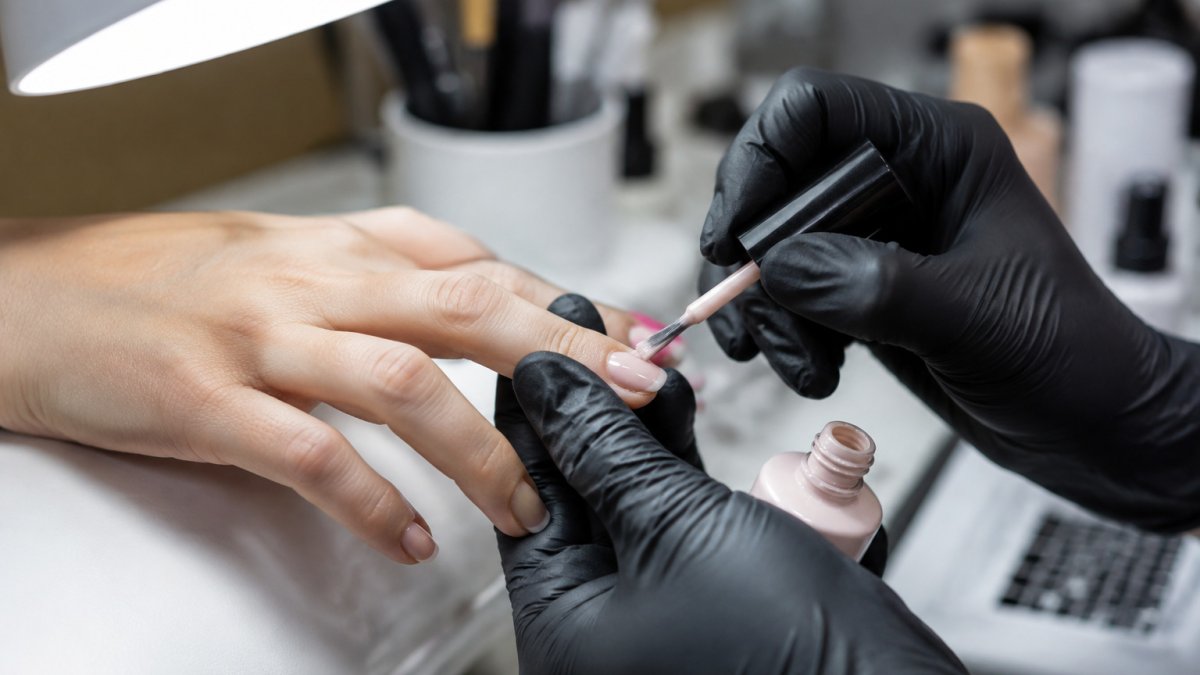
Apply thin layers and cure each one fully. Under-curing is a real risk: a layer that is not properly cured can stay tacky, lift, or cause skin contact that leads to reactions. Confirm that your UV or LED lamp is compatible with the product and cure for the time the manufacturer specifies. A lamp that is weak or aging may not cure a formula fully, even if the product is high quality.
Use a base coat and top coat from the same system when the manufacturer recommends it, because mixing systems can affect adhesion and wear.
What to Do After a Suspected Gel Allergy and How to Prevent Reactions
If you notice redness, itching, swelling, or blistering around the nail or on surrounding skin after a gel service, stop using the product right away. Do not reapply the product to test whether the reaction was real, and do not use harsh removers on broken or inflamed skin. Remove the product carefully following the manufacturer's removal instructions, and seek medical advice, particularly if symptoms spread, worsen, or involve areas beyond the nail.
What to Tell a Clinician
A suspected gel reaction is easier to evaluate when you bring specifics. Note the product name, shade, batch or lot number if available, the date of application, and how soon symptoms appeared. Bring the full ingredient list if you have it. A detailed exposure history can help a clinician narrow down the likely trigger, and patch testing by a qualified clinician can confirm sensitization to specific ingredients. Do not attempt to diagnose the cause yourself from symptoms alone.
Documenting a Reaction for Yourself or Your Salon
Keep a simple reaction log: product, date, symptoms, duration, and whether the reaction cleared after removal. For salons, record any client reaction against the product and lot, and flag that client's file so future services avoid the same formula. A written record protects the client and gives the salon a basis for reviewing a product line if multiple reactions cluster around one batch.
Prevention That Actually Reduces Exposure
Prevention is more practical than treatment, and it centers on reducing skin contact rather than trusting a label. Keep gel off the cuticle and surrounding skin during application, wipe any slip immediately, and avoid flooding the sidewalls. Use thin layers and cure each fully, because uncured or partially cured product on skin is a common route to sensitization. Patch test new formulas before a full application, and keep clients with a history of reactions on a separate, documented product list. Technicians who work with gel daily should treat gloves, ventilation, and careful cleanup as part of the job, since repeated low-level exposure is what drives sensitization over time.
Watch out: switching to a HEMA-free line reduces one exposure but does not eliminate risk, because other acrylates in the same system can still sensitize a reactive user. If a reaction occurs, the priority is stopping exposure and getting qualified medical advice, not finding a different bottle to try.
Choosing Your HEMA-Free Gel Polish Setup Before Your Next Order
Before you order, decide what you actually need. A salon owner buying for regular services will care about bottle size, cost per service and lamp compatibility across the whole team. An at-home user will care more about a smaller starter collection and clear ingredient information. Nail Maxx serves salon professionals and at-home nail artists, with wholesale pricing for professional buyers.
Start by confirming the HEMA-free status on the exact product page, check the full ingredient list, and confirm your lamp can cure the formula. Then compare the cost per milliliter and the shades you use most. A setup built this way is easier to maintain, and it leaves less room for a bad purchase. For a ready-made collection bought in one order, see the Nobility gel polish set Pinky Promise.

Frequently Asked Questions
Which gel polish brands are HEMA-free?
Several professional brands market HEMA-free gel polish. Nail Maxx carries OPI GelColor Intelli-Gel shades such as Dulce de Leche, Don't Bossa Nova Me Around, My Private Jet, Barefoot in Barcelona and My Vampire Is Buff. Because formulas change over time, check the current bottle label or ingredient list before assuming a shade is HEMA-free, even within a brand that offers HEMA-free versions.
Is HEMA-free gel polish better for you?
HEMA-free gel polish removes one common sensitizing ingredient, which can matter if you have had a reaction before or work with clients who have. It does not make a product allergy-proof. Other acrylates can still trigger reactions, and sensitivity depends on the individual. Patch testing, careful curing, and avoiding skin contact with uncured product remain the most useful protections for technicians and clients alike.
Can I get contact dermatitis from HEMA-free gel polish?
Yes. Allergic contact dermatitis is caused by sensitization to specific chemicals, and HEMA-free formulas can still contain other methacrylates or acrylates that trigger a reaction. Symptoms often include redness, itching, swelling or blistering around the nail folds and fingertips. If you notice these signs, stop using the product, avoid further contact, and speak with a healthcare provider, especially if symptoms spread or persist.
How do you know if gel polish is HEMA-free?
Start with the product name and packaging. A HEMA-free statement on the label or listing is the clearest signal. Then read the full ingredient list on the label or manufacturer website and look for 2-hydroxyethyl methacrylate. Many brands also list related methacrylates, so scanning for other acrylate names helps you judge how fully a product fits your sensitivity needs.
What is the difference between HEMA-free and TPO-free gel polish?
HEMA-free means the formula does not contain 2-hydroxyethyl methacrylate. TPO-free means it does not contain the photoinitiator TPO (diphenyl(2,4,6-trimethylbenzoyl)phosphine oxide). They address different concerns, so a product can be one, both, or neither. Some clients look for both designations, which you can confirm by checking the ingredient list rather than relying on marketing language alone.
